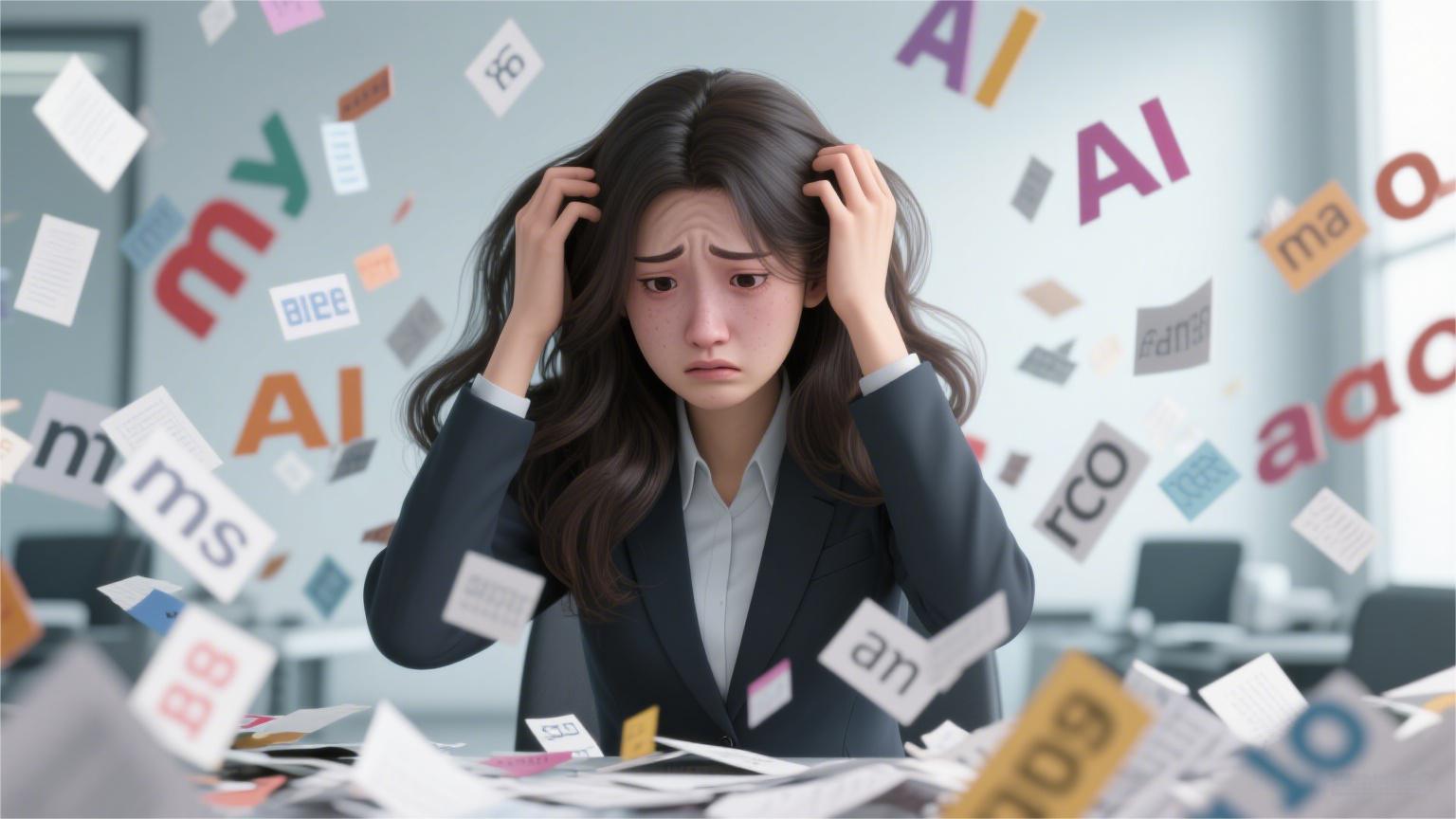
Have you ever bought an e-book on Amazon hoping to learn about soccer, only to discover it’s actually about American football? Or maybe you’ve found health advice online that’s confusing and generic, offering no real help.
These situations are becoming common, and they all point to one problem: AI slop.
Contents
What Is AI Slop?
AI slop is the term for large amounts of low-quality, repetitive content generated by AI tools. This content is often shallow and lacks real value. It’s created simply to fill space, not to inform or engage.
As AI becomes more accessible, this kind of low-quality content is everywhere. It’s in the books we read, the information we search for, and the social media feeds we scroll through. This matters because AI slop isn’t just a waste of time. It can mislead you and even cause harm, especially when it deals with important topics like health or finance.
Key Signs of AI Slop
Recognizing AI slop is easier than you think. Look for these telltale signs:
- Repetitive Sentences: The same ideas are repeated over and over, making every paragraph sound alike.
- Empty Content: There are many words, but little to no useful information. The text feels hollow.
- Awkward Phrasing: The language feels unnatural or robotic, even if an AI humanizer was used.
- Inconsistent Details: Small errors, like confusing facts or terms, are common. These are mistakes a human writer likely wouldn’t make.
For example, a “step-by-step guide” might just repeat the same advice in different words for every step.
The Impact of AI Slop
AI slop is a widespread issue affecting different areas of our lives.
The E-Book Flood
Amazon has been struggling with a wave of books full of AI slop. They have professional covers and catchy titles but contain irrelevant or even dangerous information. Some books with incorrect medical advice have appeared, forcing Amazon to limit the number of books authors can upload daily.
The Classroom Challenge
Students are increasingly using AI to write essays and homework. While this saves time, the result is often shallow and inaccurate work. Teachers must now determine if a student truly understands the topic or just let an AI do the work for them.
Social Media Overload
From YouTube scripts to TikTok captions, AI is used to mass-produce content. This creates an endless stream of repetitive posts, burying the authentic voices of genuine creators.
Simple Ways to Fight Back
You can take simple steps to protect yourself from AI slop.
1. Trust Your Instincts
When you read something, ask yourself:
- Does the content offer specific, real-world examples?
- Does it sound natural, or does it feel stiff and robotic?
- Does the information align with reliable sources?
If something feels off, it probably is.
2. Use an AI Detector
Sometimes it’s hard to be sure. This is where an AI detector tool can help. These tools can be useful for:
- Parents: Check your children’s study materials.
- Shoppers: Scan an e-book before you buy it.
- Teachers: Verify the originality of student assignments.
Popular AI detector tools include Originality.ai and GPTZero. While not perfect, they are a great first line of defense.
3. Make AI Work for You
If you use AI to create content, you don’t have to stop. Instead, you can improve the quality:
- Add Your Own Voice: Include personal stories and unique insights.
- Use an AI Humanizer: Make the text smoother and more natural.
- Focus on the Reader: Always ask yourself, “Would this be useful to someone reading it?”
Finding a Balance
AI itself is not the enemy. It is a powerful tool when used thoughtfully. The problem arises when AI-generated content is published without care or quality control.
Here’s how we can maintain a healthy balance:
- Platforms: Companies like Amazon need to create stronger rules and systems to catch AI slop before it reaches users.
- Creators: Prioritize quality over quantity. Use AI to speed up your work, but always add your own expertise.
- Users: Stay alert. If you suspect something is AI slop, use an AI detector and share your findings with others.
Think of AI like a blender. It can help you make a meal quickly, but you still have to choose the right ingredients and taste the dish before serving it.
Final Thoughts
AI is changing the way we create and consume content at an incredible speed. This speed has led to a flood of low-quality content that can confuse and overwhelm us. The good news is that we don’t have to accept it.
By learning to recognize the signs of AI slop, using tools to verify what we read, and adding a human touch to our own content, we can keep the internet a valuable and trustworthy space.
The future of content isn’t just about AI; it’s about people making smart choices in how they use it.