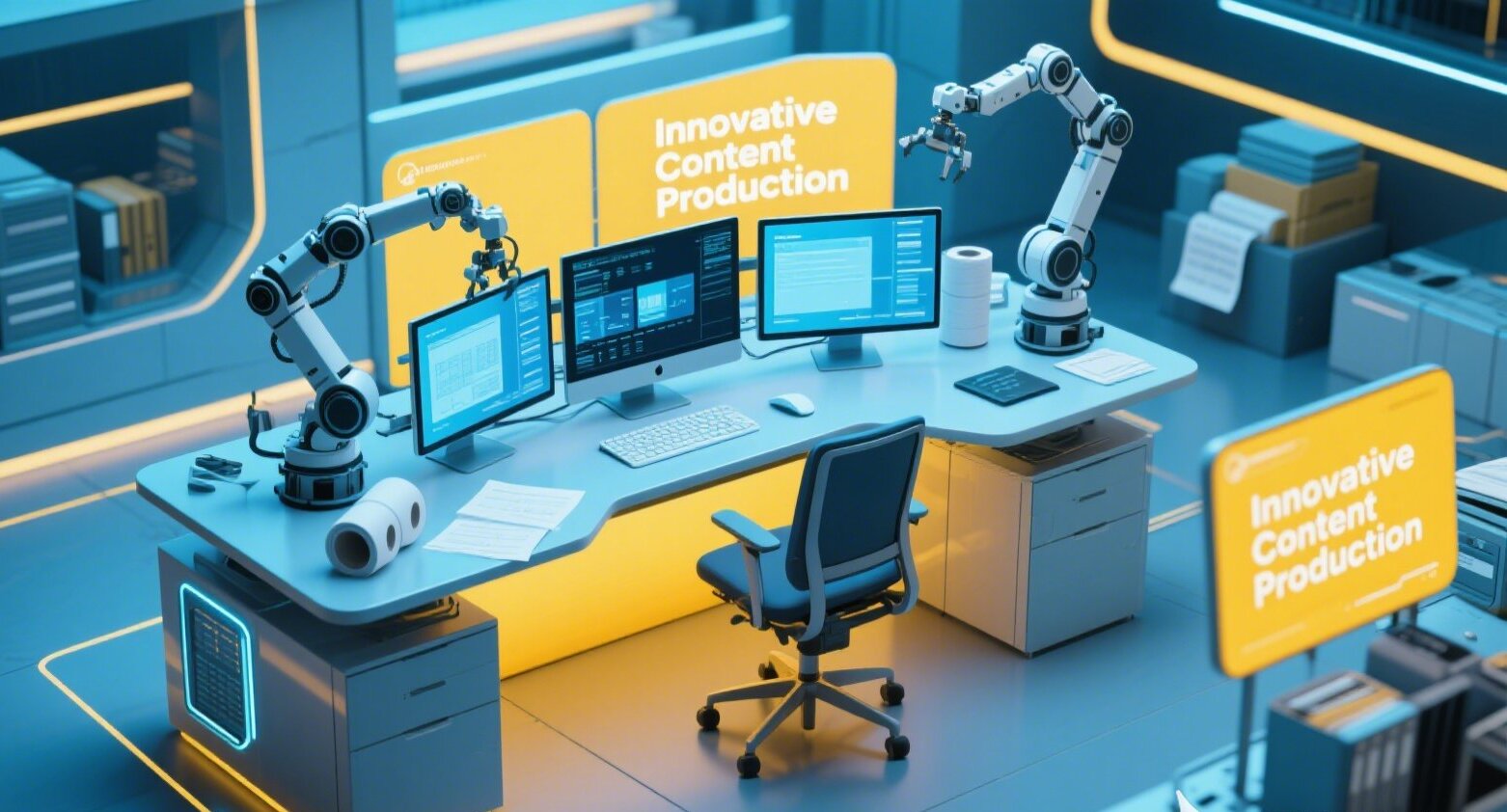
As a high school English teacher for over a decade, I’ve witnessed dramatic changes in how students approach assignments. The rise of AI writing tools has transformed innovative content production in classrooms worldwide.
Using an AI text checker has become part of my regular routine when reviewing student submissions. Tools like the one help identify potentially AI-generated content so I can have meaningful conversations with students about originality and learning. This approach focuses on teaching rather than simply policing student work.
The challenge isn’t just catching students who might use AI inappropriately—it’s helping them understand when innovative content production tools can be used responsibly as part of their learning process.
Contents
- Finding the Right Balance in Today’s Classroom
- Teaching Digital Literacy Alongside Traditional Skills
- Practical Approaches for Teachers Using AI Detection
- When AI Detection Tools Get It Wrong
- Preparing Students for a Future With Innovative Content Production
- Resources for Educators
- Moving Forward Together
Finding the Right Balance in Today’s Classroom

Last semester, I noticed something unusual in my sophomore English class. Jamie, typically a C student who struggled with writing structure, suddenly submitted a perfectly organized essay with vocabulary well beyond what he’d used previously.
Rather than immediately accusing him of cheating, I used an innovative content production analysis tool to confirm my suspicions that AI had likely helped create the essay. When I spoke with Jamie privately, he admitted using an AI writing assistant because he felt overwhelmed by the assignment.
This became a valuable teaching moment. We discussed:
- How using AI without citation violates academic integrity
- Ways he could use innovative content production tools to outline or brainstorm while still doing the actual writing himself
- The importance of developing his own writing skills, even in a world with AI assistants
Jamie redid the assignment, this time using AI to help organize his thought,s but writing the content himself. The result was authentically his work—still imperfect, but showing his actual understanding and growth.
Teaching Digital Literacy Alongside Traditional Skills
For modern educators, teaching responsible technology use is as important as teaching traditional subjects. As a content manager for my school’s curriculum development team, I’ve worked to integrate innovative content production literacy into our lesson plans.
Students today need to understand:
The Capabilities and Limitations of AI Writing Tools
Many students have unrealistic ideas about what AI can do. Through guided classroom activities, we show them where AI excels (organizing information, suggesting structures) and where it falls short (providing accurate citations, creating truly original insights).
Ethical Use Guidelines for Digital Content Creation
We’ve developed clear guidelines for when innovative content production tools can be used in the classroom:
- Brainstorming sessions are generally acceptable
- Editing assistance is permitted with disclosure
- Full content generation requires citation, just like any other source
Critical Evaluation Skills for AI-Generated Content
Perhaps most importantly, students need to learn how to spot and critique AI-generated text. We use comparison exercises where students evaluate both human and AI writing, identifying differences in reasoning, evidence use, and voice.
Practical Approaches for Teachers Using AI Detection
For fellow educators looking to incorporate AI text checker tools into their assessment process, here’s what I’ve learned works best:
1. Be Transparent About Your Process
I tell my students from day one that I use AI detection tools as part of my grading process. This transparency accomplishes two things:
- It deters students from submitting wholly AI-generated work
- It creates an atmosphere of trust where we can discuss innovative content production openly
2. Focus on Learning, Not Punishment
When I identify likely AI-generated work, my first approach is always educational. I ask questions like:
- “Can you walk me through how you developed this argument?”
- “What research sources influenced your thinking here?”
- “What parts of this assignment were most challenging for you?”
These conversations often reveal whether students are relying too heavily on innovative content production tools without developing their own skills.
3. Design AI-Resistant Assignments
Some of my most successful assignments now include elements that make full AI generation difficult:
- Personal reflection components tied to specific classroom experiences
- Multi-stage projects with in-class drafting sessions
- Oral presentations where students explain their reasoning
These approaches make AI detection less necessary because they naturally encourage original student work in digital content creation.
When AI Detection Tools Get It Wrong
It’s important to acknowledge that AI text checker tools aren’t perfect. They sometimes flag human work as AI-generated, particularly when:
- Students use common academic phrases
- The writing is highly structured or formulaic
- Students have extensively used grammar checking tools
One of my strongest students, Mia, was devastated when her research paper was initially flagged by our digital content verification system. Upon closer review, I realized her extremely well-organized writing style and advanced vocabulary (she was an avid reader) had triggered the system.
This experience taught me to always use human judgment alongside technology. AI detection tools should inform our assessment, not replace our professional judgment as content manager educators.
Preparing Students for a Future With Innovative Content Production
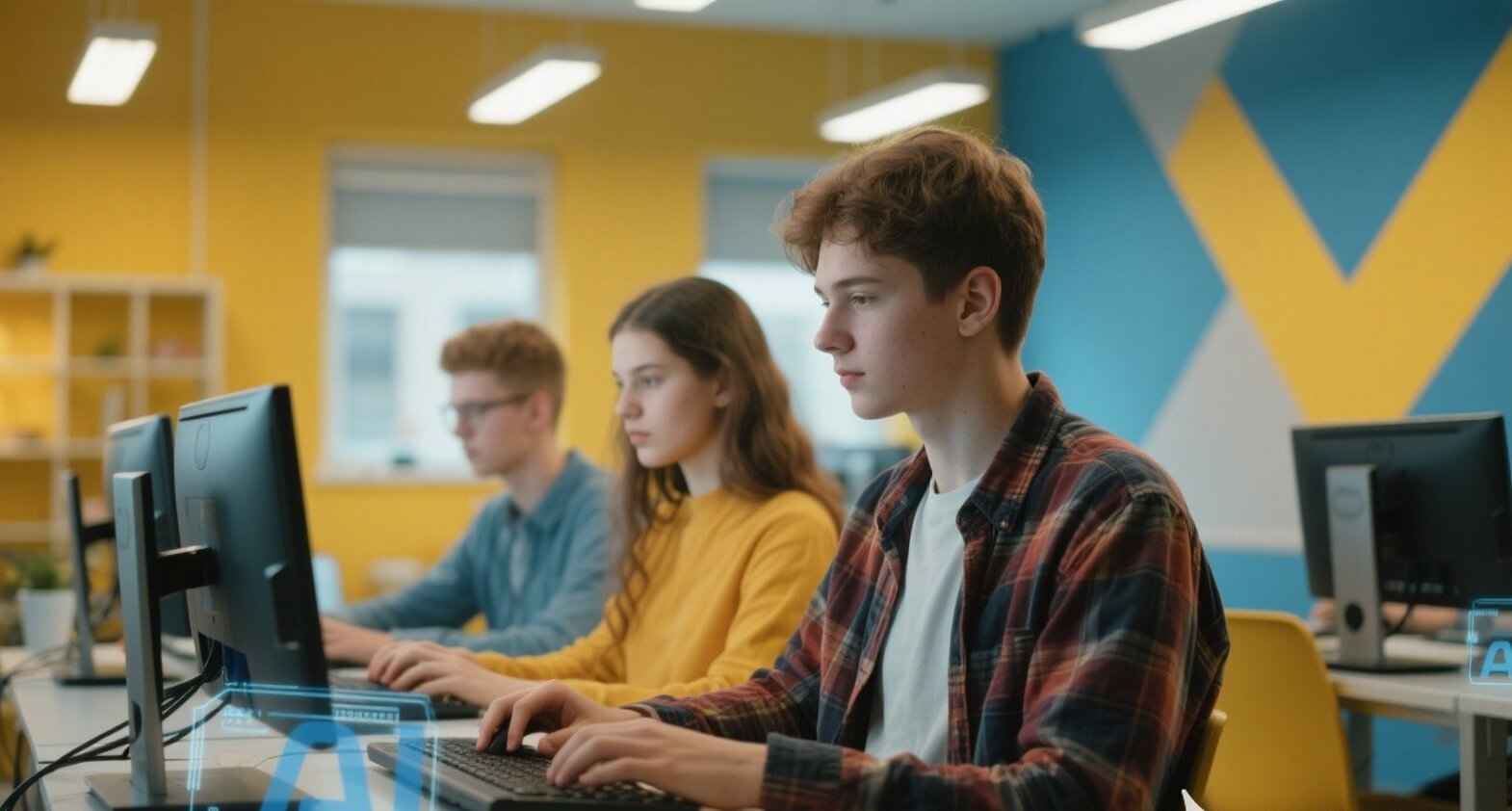
Rather than fighting against technology, forward-thinking schools are teaching students to work alongside innovative content production tools appropriately. As both a teacher and content manager, I believe this approach better prepares students for their future careers.
In my advanced writing class, we now include:
- Lessons on effective AI prompt writing
- Practice differentiating between appropriate assistance and inappropriate reliance
- Discussions about how various careers will utilize innovative content production tools
- Ethics discussions about proper attribution and transparency
These lessons prepare students for a world where innovative content production will likely involve human-AI collaboration in many fields.
Resources for Educators
For teachers looking to develop balanced approaches to AI in the classroom, these resources have been invaluable to me:
- Digital content verification guidelines developed by educational technology organizations
- Professional development workshops on AI literacy
- Sample school policies on appropriate innovative content production
- Student-friendly explanations of AI capabilities and limitations
Moving Forward Together
The rise of innovative content production tools doesn’t signal the end of student writing—it represents an evolution in how writing is taught and assessed. By using AI text checker tools thoughtfully and focusing on the learning process rather than just final products, educators can help students develop both traditional writing skills and the technology literacy they’ll need for future success.
The key is approaching innovative content production as neither a threat to be eliminated nor a replacement for traditional skills, but as a tool whose proper use needs to be taught alongside other educational fundamentals.
By focusing on transparency, education, and balanced technology use, we can help students thrive in a world where human creativity and digital content assistance increasingly work together.