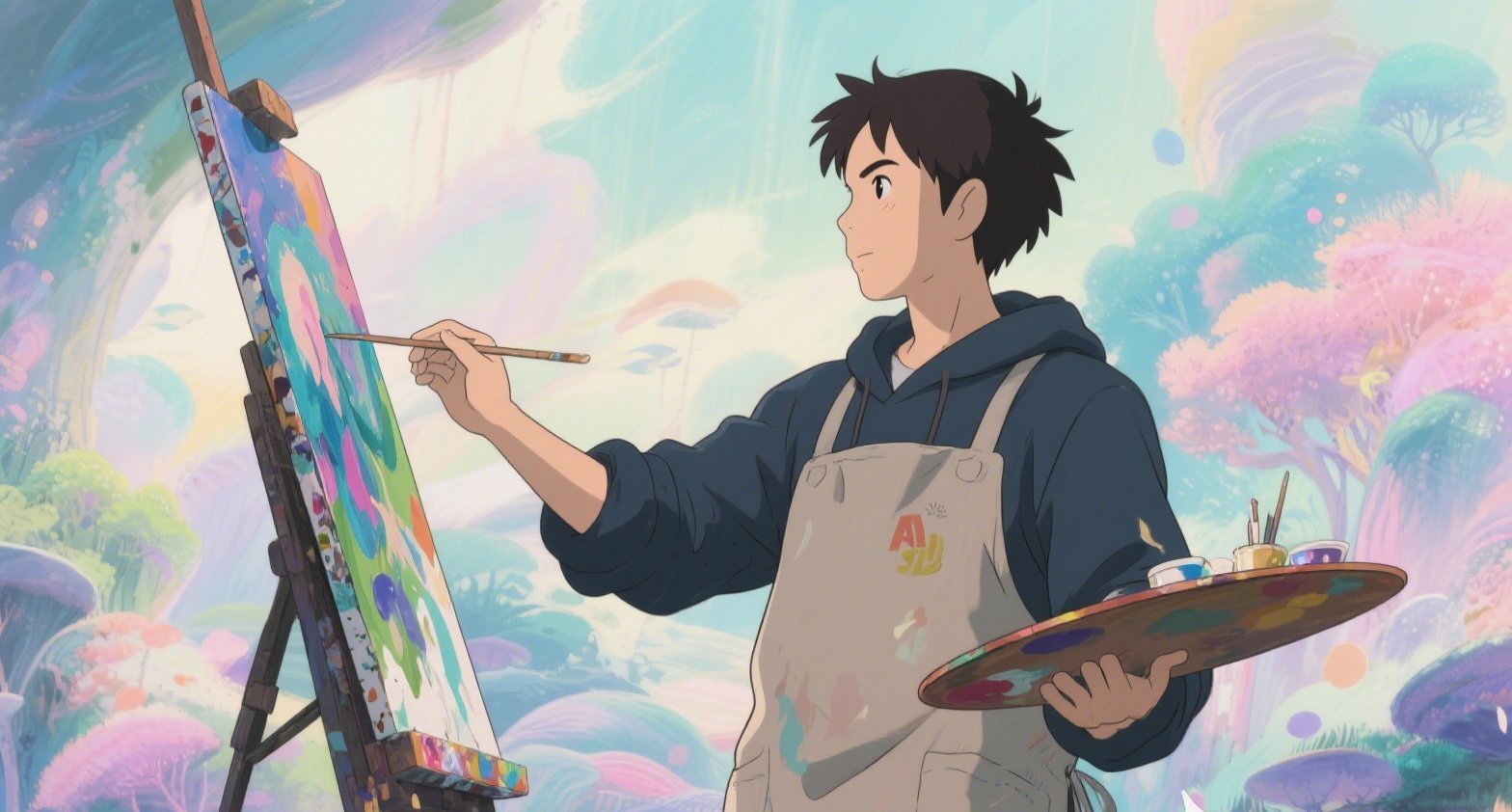
The digital art world has been transformed by AI tools that can generate stunning visuals from text descriptions. Artists and creators are now using specialized text prompts to create artwork inspired by their favorite styles, with Studio Ghibli-inspired art becoming particularly popular. Behind this creative revolution, AI Text Checker tools help artists refine their prompts and understand how AI systems interpret their requests.
Contents
The Art of Crafting the Perfect Prompt for Ghibli Style
Creating the ideal prompt for Ghibli style requires understanding both the distinctive visual elements of Studio Ghibli works and how to communicate these elements to AI art generators. The right prompt can capture the magical realism, vibrant natural settings, and emotional depth that define Ghibli films.
When I first started creating Ghibli-inspired digital art, my prompts were too vague. I’d write simple requests like “forest scene in Ghibli style” and get generic results. After studying successful prompts for Ghibli-style examples, I learned to include specific elements:
- References to particular Ghibli films like “Spirited Away” or “Princess Mononoke”
- Descriptions of signature visual elements like soft lighting and detailed natural environments
- Emotional tone indicators that capture Ghibli’s sense of wonder and wistfulness
- Technical specifications about the color palette and composition
Sarah Lee, a digital artist from Seattle, shares her experience: “Finding the right prompt for Ghibli style changed everything for me. I now include references to Hayao Miyazaki’s use of light and shadow, which helps the AI understand exactly what I’m trying to achieve.”
How Image to Prompt Technology Works
The relationship between text and image in AI art generation works both ways. While most people are familiar with creating images from text prompts, image-to-text technology reverses this process, analyzing existing images to generate descriptive text.
This image, to promote capability, serves several important functions for artists:
Learning from Master Works
By uploading Ghibli film screenshots or official artwork, artists can use images to prompt tools to generate descriptive text that explains what elements make the image distinctively “Ghibli.” These generated descriptions often reveal details that might be missed by casual observation.
When I uploaded scenes from “My Neighbor Totoro” to the image to prompt analyzer, I discovered specific color relationships and composition techniques that I hadn’t consciously noticed. These insights improved my own prompt for Ghibli-style creations dramatically.
Refining Your Approach
Artists who aren’t getting the results they want can use images to prompt technology to understand how AI “sees” their current outputs. This analysis often reveals missing elements that should be included in future prompts.
James Chen, an illustration teacher, explains: “I tell my students to run their AI-generated artwork through image-to-prompt tools to see what elements the AI recognizes. If your goal was a Ghibli-style forest but the description doesn’t mention key Ghibli elements, you know your prompt for Ghibli style needs refinement.”
Creating Prompt Libraries
Many professional digital artists create libraries of effective prompts by using image-to-prompt technology on successful pieces. These prompt collections become valuable creative resources that can be adapted for future projects.
“I keep a document with my best prompt for Ghibli style variations,” explains online art tutor Maya Williams. “Whenever I create something that really captures that Ghibli magic, I run it through an image to prompt tool and save the results. It’s like building my own personalized guidebook.”
Prompt Studio Ghibli: Creating Dedicated Workspaces
The most serious AI artists often create what the community calls a “prompt studio Ghibli” setup—a dedicated digital workspace optimized for creating Ghibli-inspired art. These specialized environments typically include:
Reference Collections
A comprehensive prompt studio Ghibli workspace includes carefully organized visual references from across the Studio Ghibli filmography. These references are categorized by elements like:
- Character design characteristics
- Landscape compositions
- Lighting techniques
- Color palettes
- Weather effects
Having these references readily available helps artists craft more precise prompt for ghibli style instructions.
Prompt Templates
Experienced artists develop template structures for their prompt for ghibli style work. These templates include standardized sections for:
- Style reference (specific film or scene)
- Subject description
- Environmental elements
- Lighting and atmosphere
- Technical specifications
- Negative prompts (elements to avoid)
Using consistent templates within a prompt studio ghibli workspace allows for more systematic experimentation and improvement.
Feedback Systems
The most effective prompt studio ghibli setups incorporate tools for analyzing results and refining approaches. This often includes image to prompt technology to evaluate how well the generated images match the intended style.
“I review each generation session by having my image to prompt tool describe what it sees,” explains digital artist Thomas Wright. “If I’m aiming for Nausicaä’s toxic jungle feel but the description mentions modern urban elements, I know my prompt for ghibli style needs work.”
Common Challenges with Prompt for Ghibli Style
Creating truly authentic Ghibli-inspired art through AI prompting presents several challenges:
Capturing Emotional Depth
Studio Ghibli films are renowned for their emotional resonance, which can be difficult to communicate through text prompts alone.
When working on a piece inspired by “Howl’s Moving Castle,” I struggled to capture the wistful romance of the film. Adding emotional descriptors like “scene filled with bittersweet longing” to my prompt for ghibli style helped significantly.
Avoiding Generic Anime Elements
Many AI systems conflate Ghibli’s distinctive style with generic anime aesthetics, requiring careful prompt crafting to avoid this pitfall.
“My early attempts looked like generic anime with slightly more detailed backgrounds,” recalls digital artist Elena Kim. “I learned to specify ‘authentic Hayao Miyazaki hand-drawn animation style’ in my prompt for ghibli style requests, which made a huge difference.”
Maintaining Artistic Coherence
Studio Ghibli works have a coherent artistic vision that can be difficult for AI to maintain across multiple images.
Creating a series of connected images for my Ghibli-inspired children’s book required consistent character designs and settings. I developed a master prompt for ghibli Ghibli-style template with fixed elements that remained unchanged across all generations to maintain consistency.
Advanced Techniques for Prompt for Ghibli Style Masters
Artists who have developed expertise in Ghibli-style AI generation employ several advanced techniques:
Style Mixing with Precision
Expert prompters often combine Ghibli elements with other artistic influences, creating unique hybrid styles.
“I’ve developed a technique for blending prompt for ghibli style elements with Art Nouveau influences,” shares professional illustrator David Park. “I specify Ghibli’s natural elements and lighting but request Art Nouveau line work and decorative patterns. The results have become my signature style.”
Animation Considerations
Artists creating frame sequences for animation pay special attention to how their prompt for ghibli style accommodates movement and consistency.
When creating a short animated sequence in Ghibli style, I discovered that including terms like “consistent character design suitable for frame-by-frame animation” in my prompt for ghibli style helped maintain visual continuity.
Environmental Storytelling
Master Ghibli-style creators use prompting techniques that emphasize the environmental storytelling for which Studio Ghibli is famous.
“The environments in Ghibli films aren’t just backgrounds—they’re characters with their own stories,” explains environmental concept artist Nadia Petrov. “My best prompt for ghibli style work includes narrative elements for the environment itself, like ‘ancient forest with visible layers of history in its growth patterns.'”
Conclusion
Mastering the art of the perfect prompt for ghibli style opens new creative possibilities for digital artists. By understanding how AI interprets text, using image to prompt technology for feedback, and creating dedicated prompt studio ghibli workspaces, artists can capture the magical essence of Studio Ghibli’s distinctive aesthetic in their own creations.
Whether you’re creating personal art projects, professional illustrations, or concept art, refining your prompt for ghibli style approach can help you achieve that distinctive blend of fantasy, emotion, and natural beauty that defines the Ghibli aesthetic.